
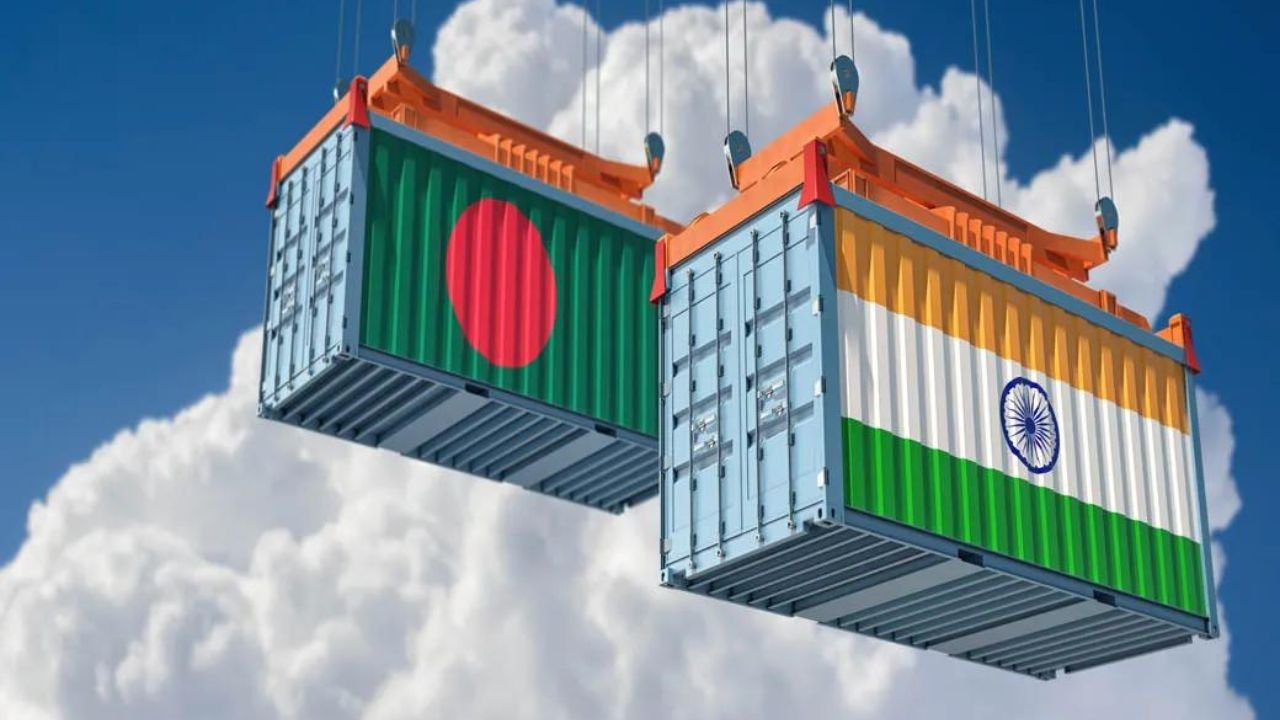
Major leather hubs across India have temporarily ceased exporting leather to Bangladesh, a significant development that unfolded this past Tuesday. The sudden halt in shipments, including the suspension of container movements at the Kolkata port, comes in the wake of political upheaval in Bangladesh following the resignation of Prime Minister Sheikh Hasina. This political turmoil has led to widespread uncertainty and instability in the region, impacting several key industries.
The suspension of leather exports is just one of the many ripple effects caused by the ongoing political crisis in Bangladesh.
Typically, 20 to 25 containers are dispatched from Kolkata port to Bangladesh every day, with leather being one of the primary goods exported. However, these shipments have come to a standstill, causing concern among industry stakeholders.
The political instability in Bangladesh has affected the trade of several critical goods, including chemicals, accessories, components, footwear parts, textiles, engineering products, and food articles.
These goods, which are primarily exported from Kanpur and other major Indian hubs, are now facing significant delays, causing a disruption in the supply chain that could have lasting consequences for businesses on both sides of the border.
“The leather sector is heavily involved in both the export and import of goods with Bangladesh, but now both have been halted. We are closely monitoring the situation and are awaiting signs of political stability”
Asad Iraqi, President of the Regional Council for Leather Export
This uncertainty has left exporters anxious about potential financial losses, though they are placing a higher priority on safety and stability in the region.
In conclusion, the Indian leather industry, along with other affected sectors, is in a holding pattern, waiting for clarity on Bangladesh’s political future. While the immediate priority is ensuring safety and minimizing disruptions, the long-term focus will undoubtedly shift to rebuilding and reinforcing trade relationships once stability returns. Until then, the halted exports serve as a stark reminder of how deeply intertwined politics and commerce can be, especially in a region as economically interconnected as South Asia.