

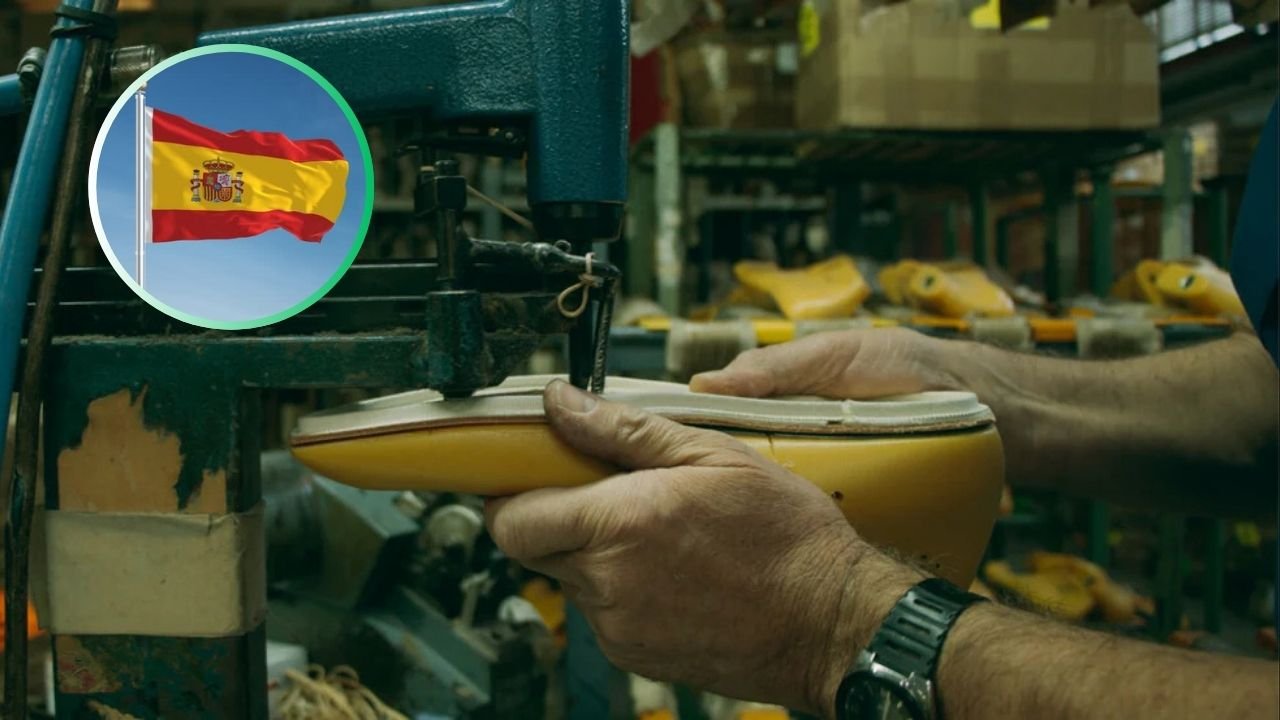
Spain’s footwear industry continues to thrive in 2024, showcasing resilience amid global economic challenges. In the first eight months of the year, Spain exported 124.6 million pairs of shoes, generating a total revenue of €2.43 billion, according to the World Footwear Yearbook 2024.
This represents an 11% increase in volume and a 7.4% rise in value compared to the same period in 2023. However, the average price per pair declined slightly, dropping from €20.14 in 2023 to €19.48 in 2024.
The Spanish footwear industry has made significant strides despite facing global headwinds, including declining consumer spending, inflationary pressures, and a tense geopolitical climate.
In 2023, the sector experienced mixed results, with a slight decrease in the total volume of exports and imports but an uptick in their overall value.
A closer look at Spain’s top export destinations:
- Italy:
The leading importer, accounting for 20% of total exports with a value of €494 million. - France:
A close second, contributing 17% (€405.1 million) to export revenue. - Germany:
Represented 10% (€235.7 million) of Spain’s footwear exports. - Portugal:
Maintained a solid share of 9% (€213.4 million).
Other notable markets included Poland and the United States (6%), with smaller but significant shares from the United Kingdom and the Netherlands (3%). Collectively, all other countries contributed 26% to Spain’s total footwear export value.
Spain’s strong foothold in international footwear markets can be attributed to several factors:
- Quality Craftsmanship:
Spanish shoes are widely recognized for their superior quality and stylish designs. - Adaptability:
The industry has been quick to respond to changing consumer preferences and global trends. - Strategic Pricing:
Competitive pricing has enabled Spanish manufacturers to expand their market share, even as the average price per pair decreased slightly. - Diversified Markets:
Spain’s broad range of export destinations minimizes dependency on any single market.