
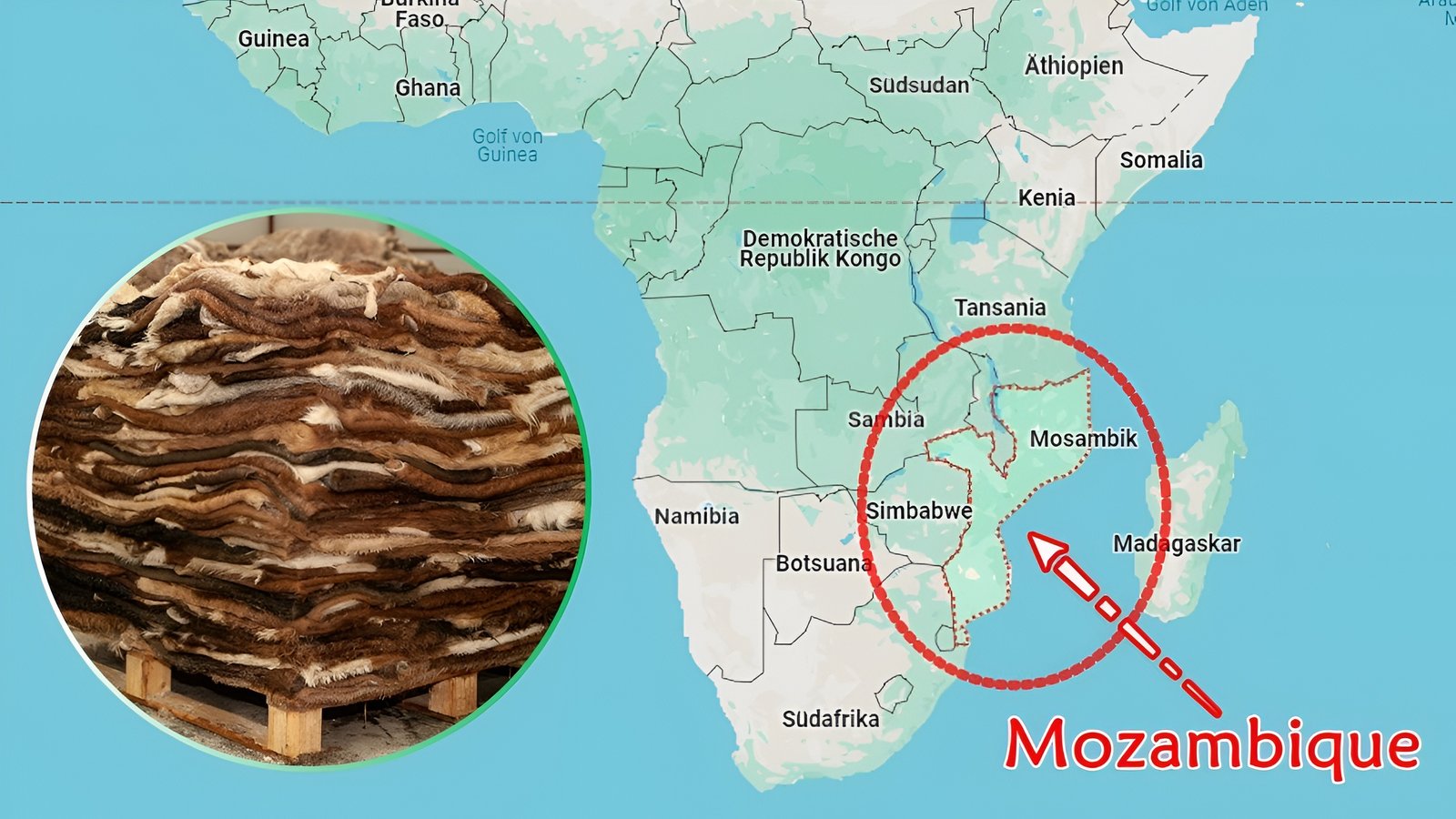
Mozambique wants to turn leather into a strong export industry by improving production, local processing and competitiveness. The government says the sector has big potential because the country has livestock and access to regional and global markets.
Speaking in Maputo region at a consultation meeting on the leather sector the government said the industry is still stuck at a raw material stage and is not getting full value.
“The leather sector and its products have high economic and industrial potential considering the existing livestock population and market opportunities at national regional and international levels. However it continues to face structural challenges.”
–Custódia Paúnde, Secretary of State for Industry, Government of Mozambique
She pointed out the key problems facing the sector. These include low local processing loss of raw materials, weak technology, limited finance, environmental issues, poor links between producers and factories, strong competition from imports and weak regional integration.
The government says it is working on a clear and practical strategic plan to fix these gaps. The aim is to move the sector from selling raw hides to becoming a competitive industry that creates jobs and value.
At the regional level Mozambique sees leather as a tool to deepen cooperation within SADC. Countries that produce hides can work closely with those that have tanning and manufacturing capacity. This can reduce raw exports and boost value within the region.
At the African level AfCFTA is seen as a big opportunity. Lower tariffs, common rules of origin and fewer trade barriers can help African leather products move freely across borders.
The government believes this strategy can help the leather sector move out of the margins and meet domestic demand while tapping export markets. The final goal is higher exports, fewer imports, more jobs and steady industrial growth.