
Pakistan’s leather and footwear industry has asked the Ministry of Commerce to introduce a separate Harmonised System (HS) code for used footwear in the upcoming federal budget, according to several local media reports.
Industry representatives raised the proposal during a meeting with Commerce Minister where several issues affecting the sector were discussed. These included export growth opportunities, domestic industry challenges and regulatory concerns related to the import of used footwear.
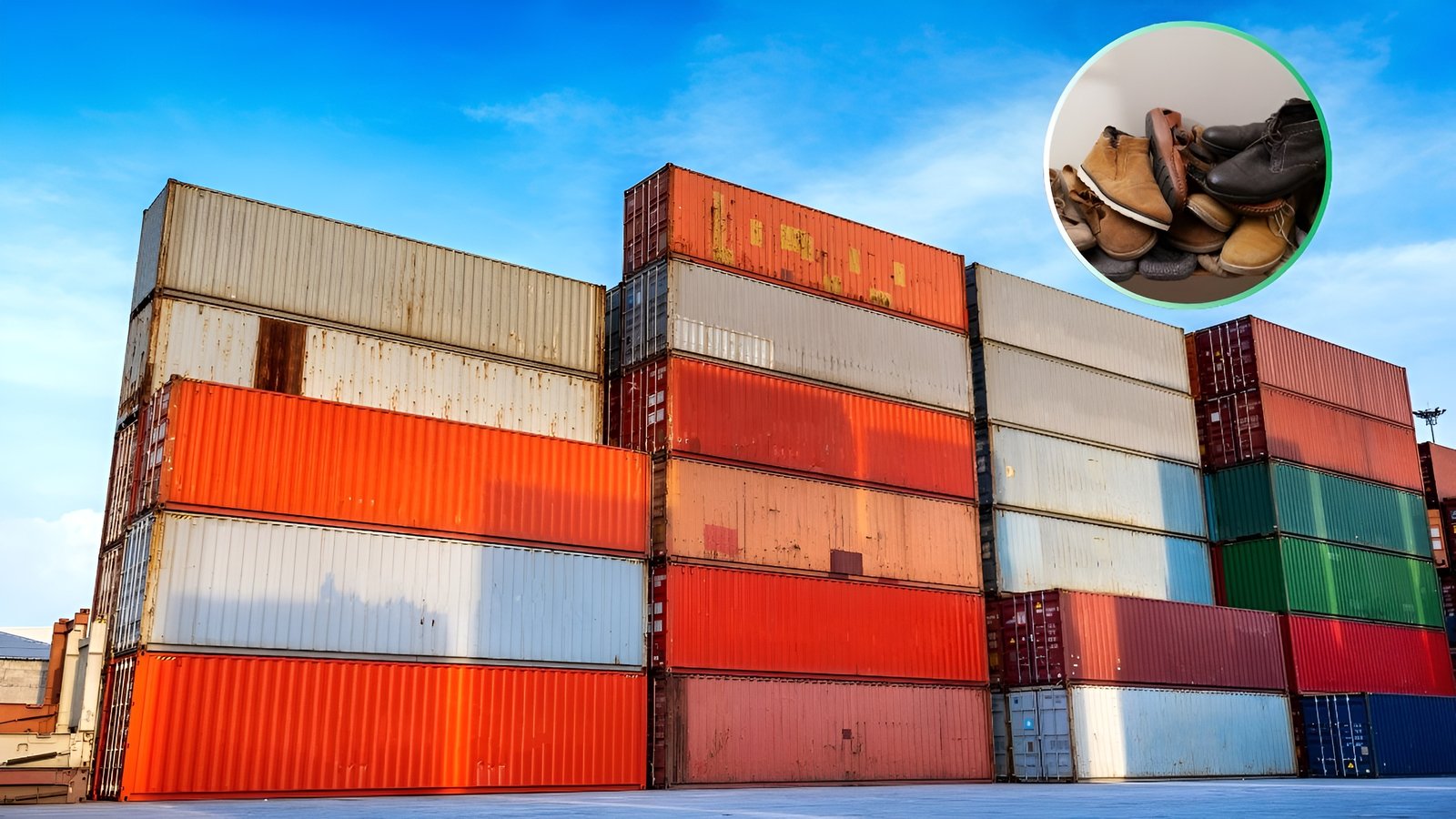
At present used footwear is classified under the broader category of used clothing and accessories. Industry leaders said this classification makes it difficult for regulators to properly track imports, determine accurate valuation and apply footwear specific regulations.
The delegation explained that Pakistan’s footwear market is large. Annual consumption in the country is estimated at around 550 million pairs while the installed production capacity is close to 700 million pairs a year.
Despite this capacity a large portion of the domestic market is being filled by imported used footwear. Industry representatives said around 40% of the market is currently supplied through used footwear imports.
According to the industry many of these products include branded shoes that enter the country at very low declared values under the used clothing category. This creates unfair competition for local manufacturers especially small and medium sized enterprises.
Officials from the Commerce Ministry informed the meeting that the proposal to create a separate HS code for used footwear has already been placed on the agenda of the upcoming Tariff Policy Board meeting. After consultations and approvals the proposal could be included in the upcoming federal budget.
Commerce Minister acknowledged the importance of the leather and footwear sector and said the government remains committed to supporting local manufacturing while promoting export led growth.
The meeting ended with both sides agreeing to continue close coordination to unlock the sector’s potential for higher production, employment generation and export growth.