

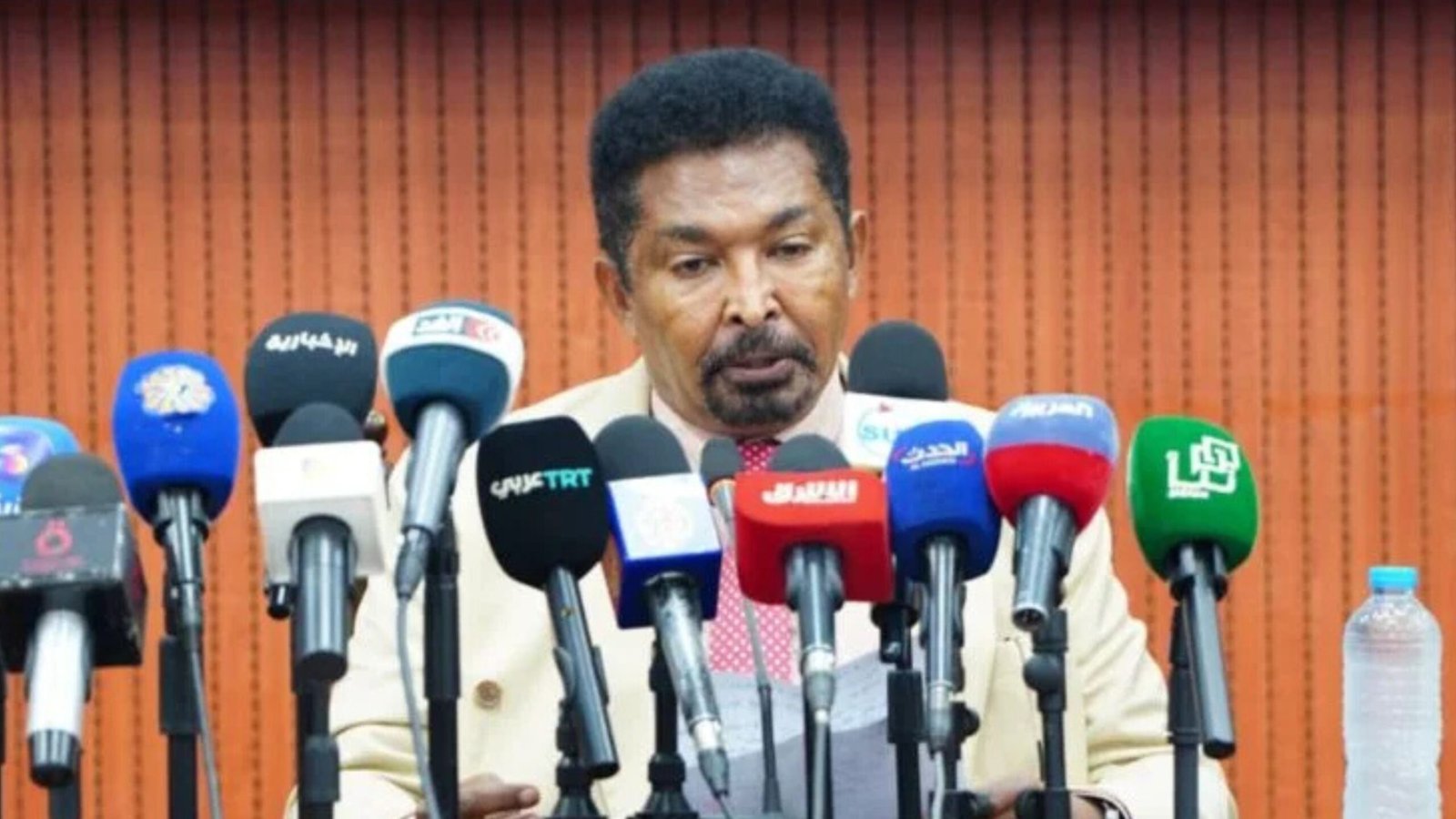
Sudan’s Ministry of Animal Resources and Fisheries has announced a plan to fix the Sudan leather industry and stop the loss of millions of dollars caused by wasted animal hides and skins every year. The announcement was made at a workshop in Khartoum.
The Sudan leather industry faces major challenges including smuggling, limited local tannery capacity and poor coordination between authorities. These issues lead to more than 50% of available hides and skins being lost every year.
Ahmed Al-Tijani Al-Mansouri, Minister of Animal Resources and Fisheries, Sudan, spoke at the workshop focused on ending the waste of sacrificial hides.
“Significant neglect and misuse of hides and skins causing both economic losses and environmental damage.”
– Ahmed Al-Tijani Al-Mansouri, Minister of Animal Resources and Fisheries, Sudan
Al-Mansouri said the leather sector is a key economic resource that can support the state treasury with foreign currency. He added that the ministry’s strategic plan includes around 40 projects, many focused on leather.
The plan aims to shift from exporting raw materials to manufacturing finished products. It also includes setting up specialized markets and forming partnerships with international experts to promote Sudanese leather products.
The ministry is coordinating with the Ministry of Industry and Trade to rehabilitate meat and animal product factories. It also plans to partner with global fashion houses to maximize value.
Ammar Al-Sheikh Idris, Undersecretary of the Ministry of Animal Resources and Fisheries, stressed the need to focus on production and manufacturing over raw exports. He said better coordination among agencies is critical for success.
The workshop recommended forming partnerships with 3 international fashion houses to manufacture in Sudan by September 2026.
It also called for clear policies to improve hide quality before October 2026 and to empower the National Centre for Leather Improvement.
Participants urged the recruitment of young people through training programs and awareness campaigns. They also called for an inventory of tanneries across states and the rehabilitation of those affected by war through financing and tax incentives.
According to Sudan Tribune, Sudan produces about 22 million pieces of leather annually but exports do not exceed 7 million with a capacity of about 140 million livestock. The sector depends on around 20 tanneries, most using traditional methods.