
Ethiopia’s leather industry is under pressure as leaders warn that deep structural problems are slowing growth. The sector which was once a major foreign currency earner is now battling shortages, wastage, financing gaps and policy disputes.
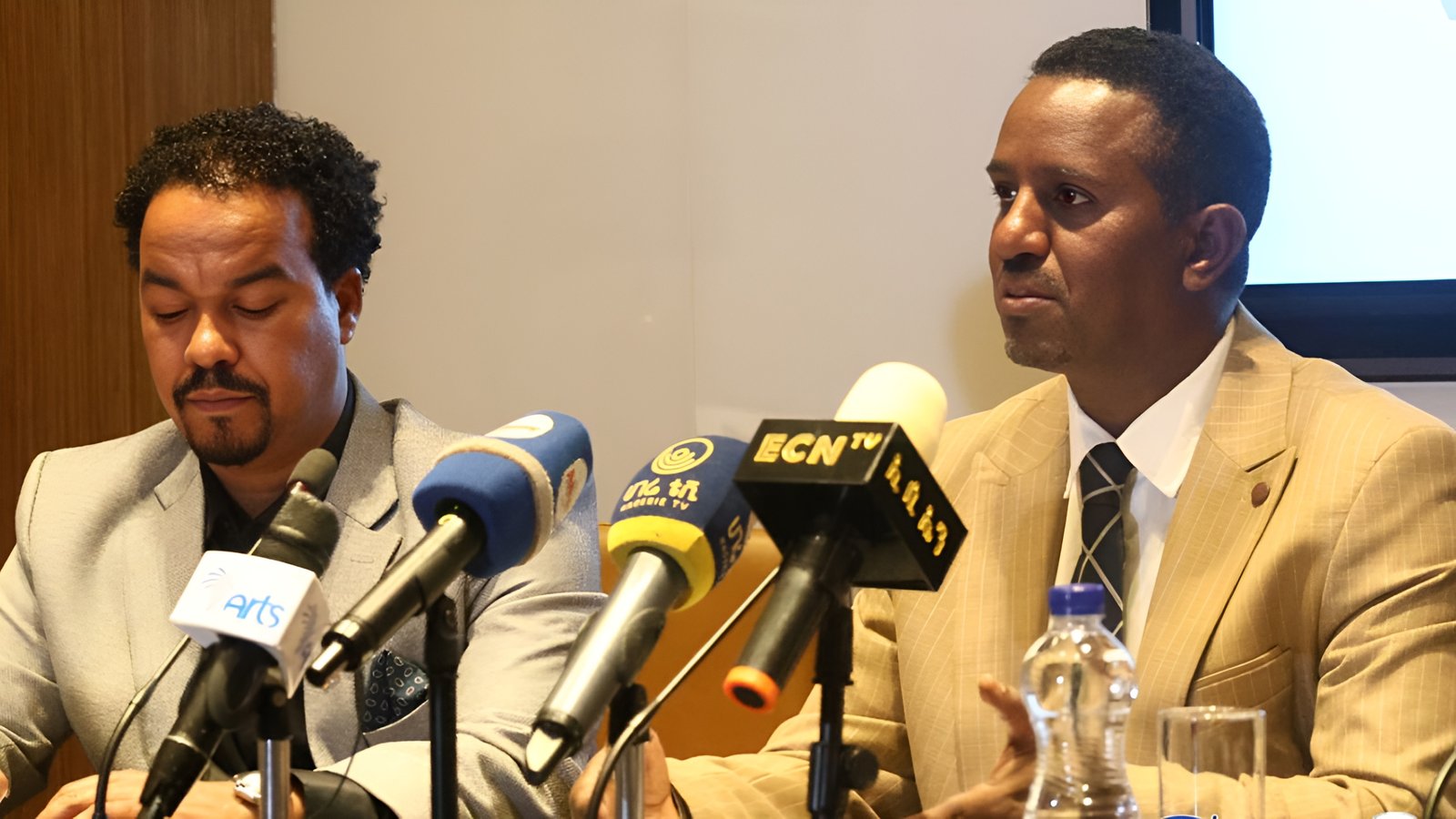
Speaking at a press briefing in Addis Ababa on 19 February 2026, Zelalem Merawi, President of the Ethiopian Leather Industries Association said the industry is losing ground despite its potential.
He said that this industry, for many years, had been the second-highest foreign currency earner for Ethiopia after coffee. Even now, despite many ups & downs, it generates between $30 and $40 million dollars in exports annually and produces nearly $3 billion dollars worth of import-substitute products. It is an industry that requires strong support.
Industry players say factories are facing severe shortages of hides. But at the same time large volumes of raw hides are reportedly being wasted or exported without processing.
Ethiopia has Africa’s largest livestock population which should give it a strong advantage. Globally more than $500 billion circulates in the leather and leather fashion sector. But Ethiopia’s share remains tiny.
“Out of that, what Ethiopia is gaining is not even a spoonful. As a country, this is very saddening & embarrassing”
– Zelalem Merawi, President, Ethiopian Leather Industries Association
One major concern is the continued export of raw hides. Zelalem argued that this practice weakens domestic manufacturing even though high taxes have been imposed.
Zelalem said that the raw hides are currently permitted to leave the country. Even though taxes have been imposed to discourage it, there is demand for raw hides for consumption in West Africa. This weakens and kills the industry.
Conflict in key highland regions has also disrupted hide collection and many hides are rotting and being discarded. These areas are known for producing premium Ethiopian hides that are valued in global markets.
Apart from raw material issues the industry is struggling with limited financial access, environmental compliance pressures and forced factory relocations linked to urban development policies.
Government officials however defended the current approach. Zerihun Abebe from the Ministry of Industry rejected calls for a total ban on raw hide exports.
“It is not the industry exporting raw hides, it is the trading community. We support a free market. The Ministry has not banned raw hide exports & it is not possible to do so”
– Zerihun Abebe, Chief Executive for Export Product Competitiveness, Ministry of Industry
Instead the government is using taxation as a tool.
Zerihun added that we have imposed taxes up to 150% to discourage it. Previously, one hide cost seven dollars, now we are pushing for it to reach nine or ten dollars.
Zerihun said the long-term solution is stronger value addition and higher production capacity.
“Preventing raw hides from leaving is not a solution. The solution is to increase the production capacity of industries so that they can compete and purchase the hides.”
– Zerihun Abebe, Chief Executive for Export Product Competitiveness, Ministry of Industry
He also admitted that environmental compliance remains a serious challenge. Plans are underway to develop a modern leather city where factories can share treatment facilities and meet global standards.
On regulatory reforms Zerihun said changes are being considered to fix gaps in the raw hide marketing system which currently limits direct sourcing by industries.
While both sides agree on the sector’s potential disagreements over exports regulations and market structure continue. The future of Ethiopia’s leather industry now depends on whether policy reforms, investment and stability can move in the same direction.