
Jordan’s leather and garments industry is stepping into the spotlight as a key driver of jobs and regional growth.
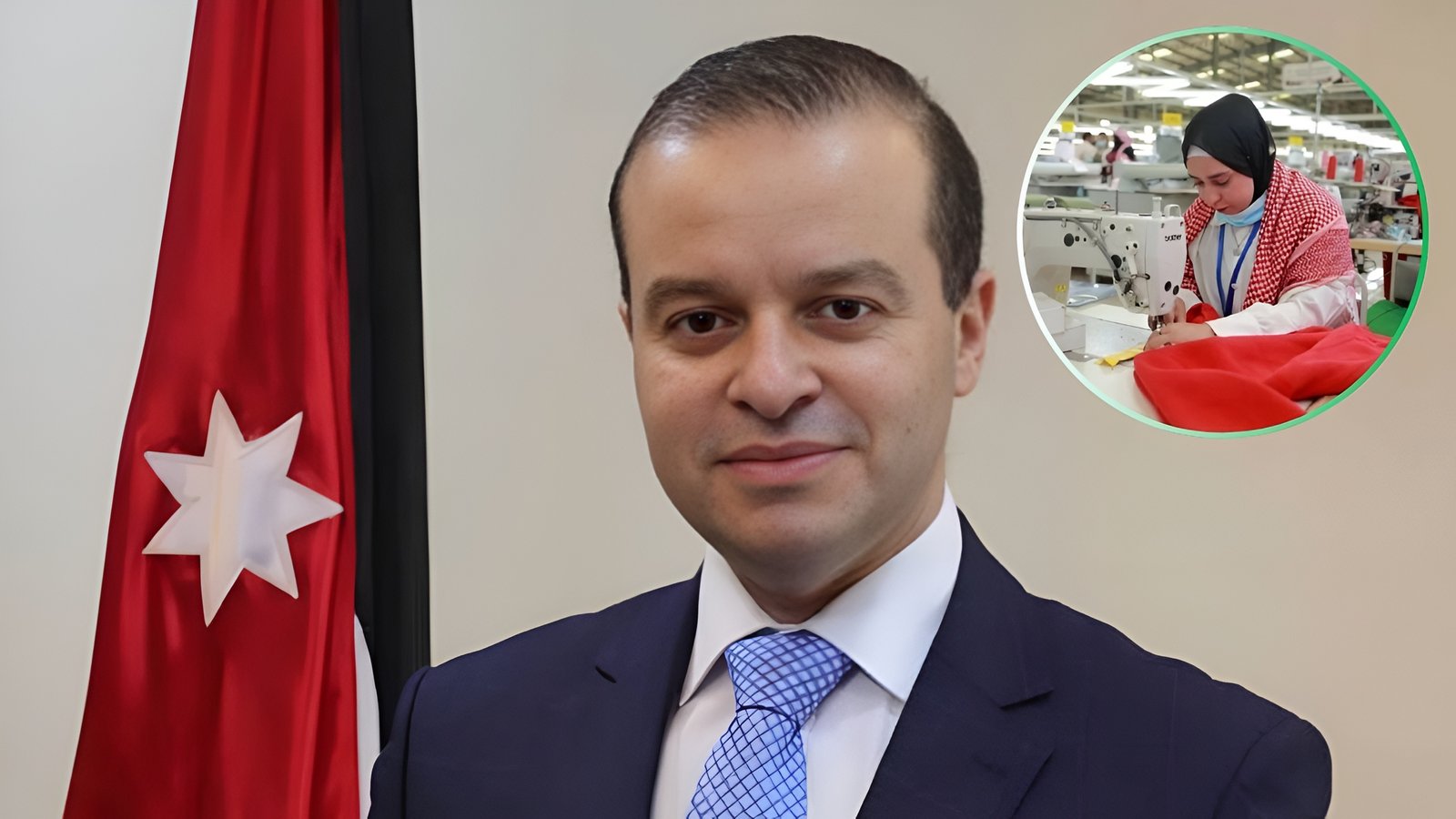
Eng. Ihab Qadri from the Jordan Chamber of Industry said the sector is becoming central to expanding production branches across the Kingdom. The move aligns with the goals of the Economic Modernization Vision (EMV).
Unlike many sectors, leather and garments combine labour-heavy operations with the ability to spread factories into smaller cities and towns.
The sector already employs around 30,000 Jordanians across different stages of production. It is also one of the leading industries for hiring women and young workers, especially outside major urban centres.
Now the ambitions are much bigger.
The Economic Modernization Vision has set a target of creating 149,000 jobs in the leather and garments industry over the coming years.
“Expanding production branches is a key executive tool in the second phase of the EMV to maximise the sector’s impact.”
– Eng. Ihab Qadri,
Representative Leather and Garments Sector,
Jordan Chamber of Industry
Production branches work as satellite units linked to existing factories or newly established facilities. These units are mainly set up in governorates with untapped employment potential.
According to Qadri the benefits are clear.
More jobs for Jordanians. Less dependence on foreign labour. Work opportunities closer to local communities. Training programmes designed around real factory needs. A gradual shift towards higher value production to strengthen exports.
The production branches initiative first launched in 2008 operates as a public private partnership. Infrastructure comes through royal initiatives. The government provides operational support in the first year. Private companies run production training and hiring.
Jordan currently has 36 active production branches employing nearly 10,000 Jordanians. Out of these 31 operate within the leather and garments sector. In some branches female participation has crossed 70%.
The next phase of expansion focuses on distributing opportunities more evenly across all governorates while prioritising sectors with the strongest job creation potential.
In simple terms Jordan is betting on leather and garments not just as an export industry but as a powerful employment engine for the future.