
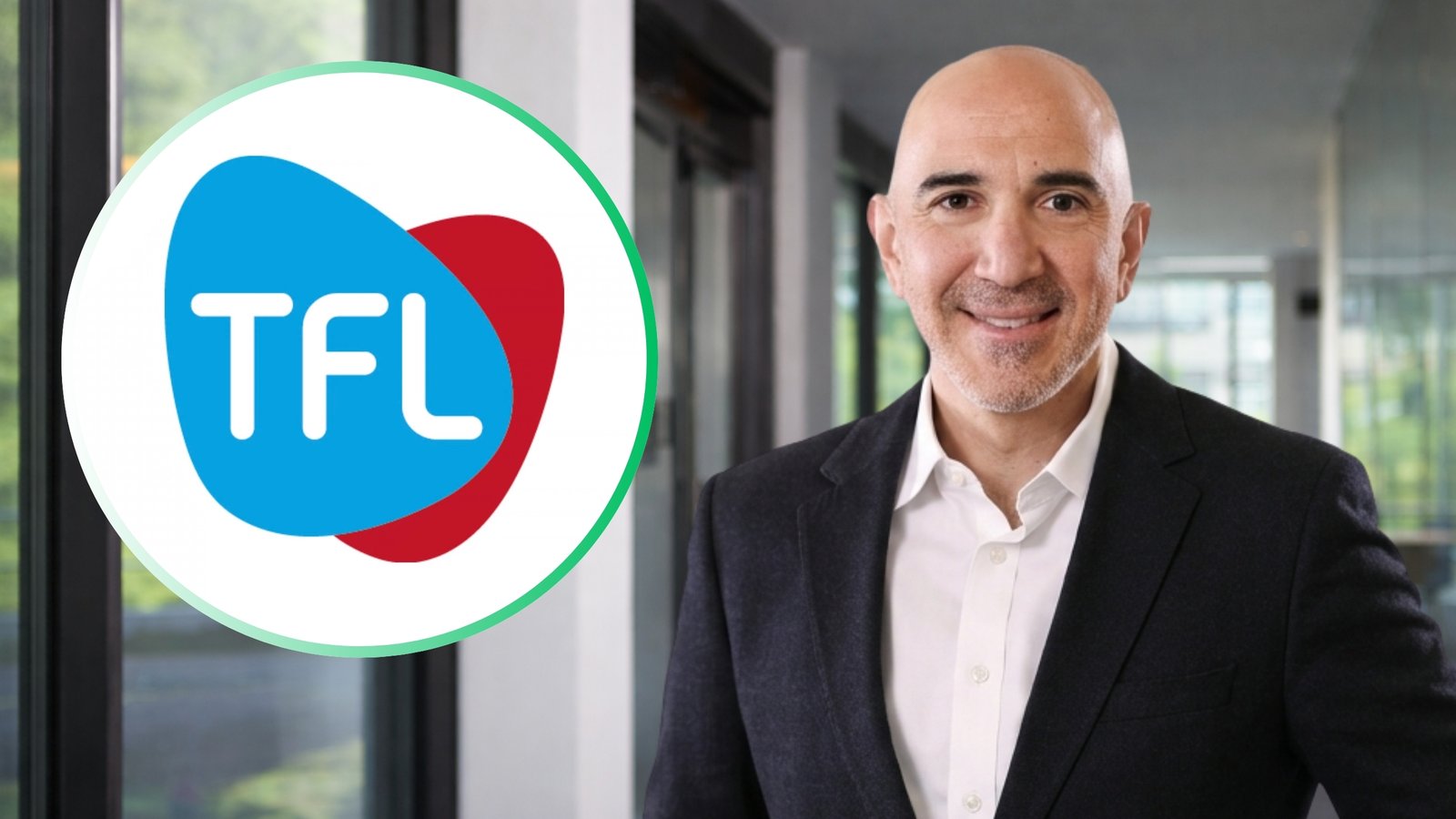
TFL interim CEO Samer Al Jabi said the ongoing Gulf conflict is causing sustained disruptions to the company’s global supply chain, impacting logistics routes, energy availability and raw material supply worldwide. He said the situation is making operations more complex across all regions.
TFL depends on highly interconnected global value chains, from raw material sourcing to products reaching end markets. Al Jabi said this has made procurement conditions tighter, freight flows unstable and production planning less predictable.
He said while some regions are affected earlier or more strongly, the impact is global. India has seen a sharp spike in cost pressure due to energy constraints and gas-based production limitations, which has further amplified the situation.
Al Jabi said easing crude oil prices will not immediately improve conditions. He explained that the issue goes beyond oil and gas, as the Middle East accounts for about 25% of global commodity chemical exports. Most of these flows pass through the Strait of Hormuz, making it a critical chokepoint.
He said disruptions are happening across the entire value chain, from raw materials and intermediates to production, transportation and overall availability. He added that rebuilding inventories, restoring logistics flows and stabilising lead times will take months, not weeks.
“The ongoing conflict in the Gulf region is creating significant and sustained disruptions across logistics routes, energy availability, and raw material supply chains worldwide.”
– Samer Al Jabi, Interim CEO, TFL
Al Jabi said raw material availability is a very serious concern. He explained that sulphur, urea and ammonia are essential for beamhouse processes, while phenol and other organic inputs are critical for the wet-end. Acrylics, polyurethanes and crosslinkers are key for finishing processes.
He said without consistent access to these inputs, producing finished leather is not possible. He added that TFL is relatively well positioned due to its diversified global production footprint and multiple sourcing options, which has helped maintain operations so far, though the situation is becoming more challenging over time.
TFL also introduced temporary surcharges to ensure continuity of supply. Al Jabi said securing critical raw materials now comes at significantly higher costs, making this step necessary to maintain reliable operations.
Read: TFL Introduces Temporary Surcharges as Gulf Region Conflict Disrupts Supply Chains
He said the company took a transparent approach from the outset, clearly linking surcharges to specific cost drivers such as product groups, manufacturing locations and logistics routes. He added that these are temporary measures and will be reduced or removed once conditions stabilise.
Al Jabi also said TFL understands the pressure surcharges place on customers but said acting early and transparently was the responsible step to safeguard supply reliability. He added that the company is monitoring the situation closely and working every day with suppliers and customers to ensure a smooth supply chain, while hoping for a quick resolution.