

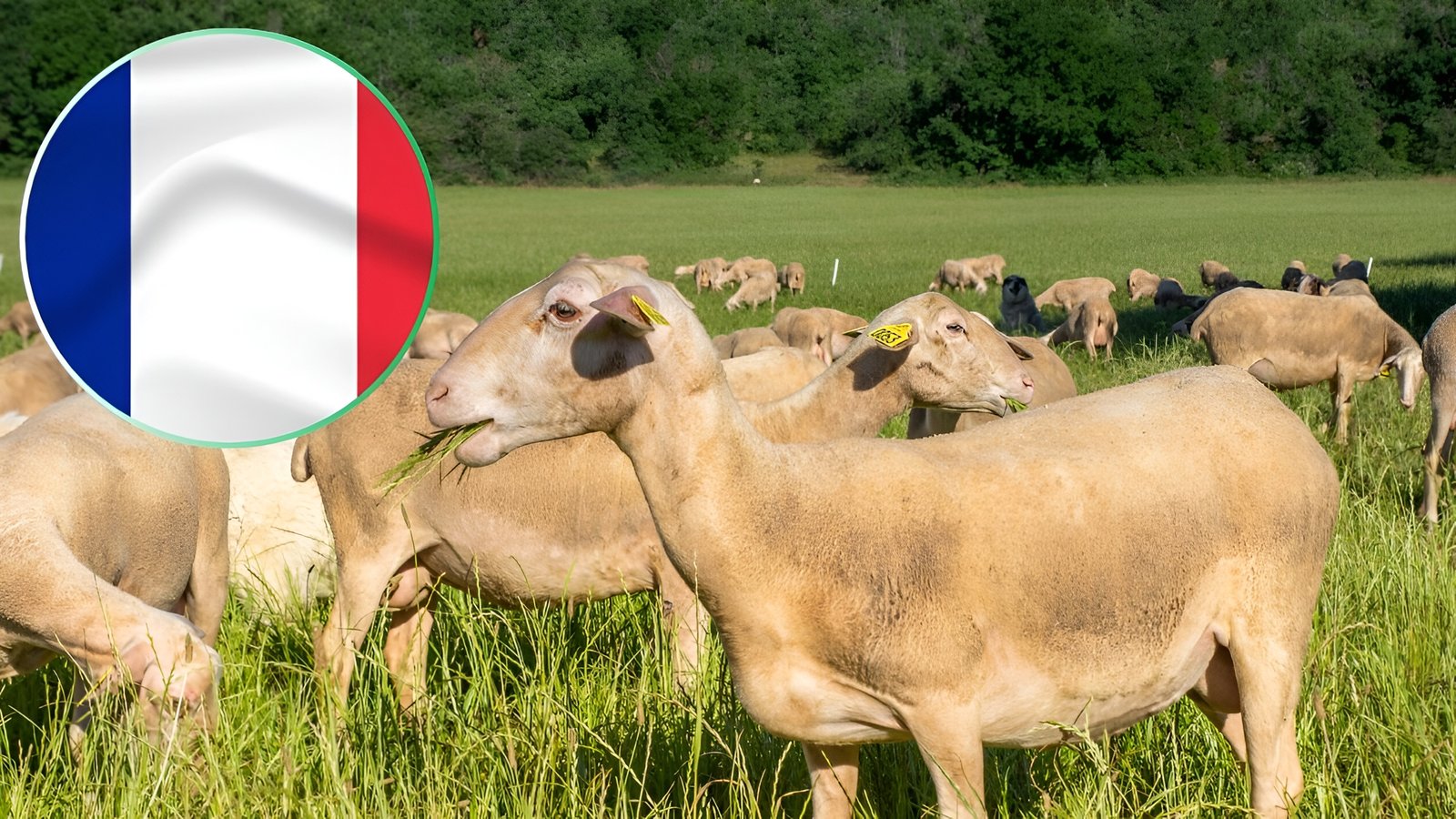
The French leather industry is set to appear at the Salon de l’Agriculture from 21 February to 1 March 2026. The sector has a strong story to tell. France remains the world’s third largest exporter of raw hides and skins with shipments worth €203.7 million in 2024.
Calf skins continue to dominate. They account for 21% of France’s international leather sales. But sheep skins tell a very different story. In 2024 sheep skins made up just 6% of exports.
Data from Alliance France Cuir shows France had 6.5 million sheep in 2024. Tanneries produced 2.3 million finished sheep skins during the year. The challenge is not volume alone. It is consistency.
“There are around 50 recognised sheep breeds in France. There is also wide diversity in farming systems. This creates strong variation in skin quality. Age of animals also differs across practices.”
– Dimitri Taillebosq,
Chargé de projets laine cuir et agrivoltaïsme,
Fédération Nationale Ovine
For brands looking to source large quantities locally this variation becomes a problem. Meanwhile Spanish Entrefino skins have intensified competition.
“There was a shift in the late 90s. Earlier we mainly worked with French skins. But the quality to price ratio changed. Spanish leather became more profitable. Skins are thinner and smaller but have fewer defects and better grain.”
– Jean Charles Duchêne,
Tannerie Alric
Industry experts say French sheep skins have seen rising defects. Many link this to breeding priorities. French sheep farming largely focuses on food production especially milk.
“Our breeds are selected mainly for food. Take Lacaune sheep for example. Their milk supports Roquefort production. Skin quality was never the primary parameter.”
– Denis Cazenave
Dirigeant, Rives
According to tanners defects such as deep wool fibre roots and surface damage from straw or injuries are common. Animal health issues like mange and dermatitis also impact skins.
Economics add further pressure. Sheep leather brings in far less revenue than bovine leather.
“The income motivation linked to skins is not the same as cattle. A sheep skin today earns roughly three times less at slaughterhouses than 15 years ago.”
– Denis Cazenave
Dirigeant, Rives
Operational issues at slaughterhouses also matter. Skilled labour shortages and high staff turnover affect skin handling and preservation. Slaughter numbers have dropped from 4.2 million animals in 2019 to 3.5 million in 2024.
Trade figures reflect this imbalance. Out of 2.1 million raw sheep skins purchased by French tanners in 2024 only about 185,000 came from French farms. In the first eleven months of 2025 exports of raw sheep skins jumped 28%. Imports rose 30%.
China has emerged as a key factor.
“China began developing its sheep sector around 2015. Over ten years it quietly built a breed similar to Lacaune but better than Spanish Entrefino. Today China exports finished skins in large volumes that satisfy European luxury demand.”
– Denis Cazenave
Dirigeant, Rives
Some see opportunity amid disruption.
“The Chinese alternative has eased pricing pressure. In the long term brands may still prefer sourcing closer to home. Many labels want French skins for storytelling and traceability.”
– Jean Charles Duchêne
Tannerie Alric
France’s sheep population has declined from 11.1 million to 6.5 million over 35 years. Yet farmers report encouraging signs of new entrants.
The French sheep leather sector stands at a crossroads. Quality improvements are possible. Demand exists. But aligning farming economics, industry investment and brand commitments will decide whether French sheep skins can reclaim lost ground.
For more details, please visit alliancefrancecuir.org