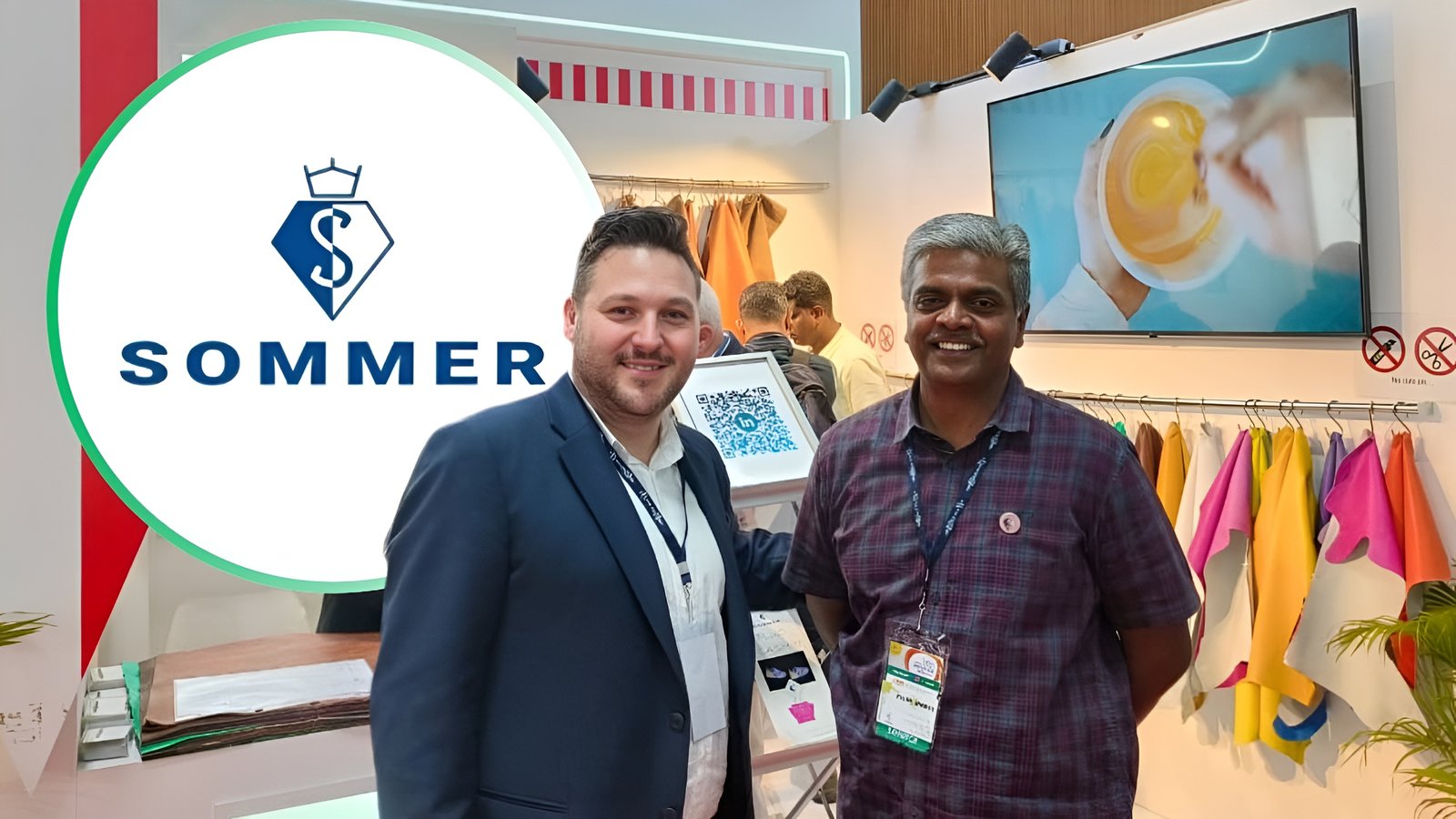

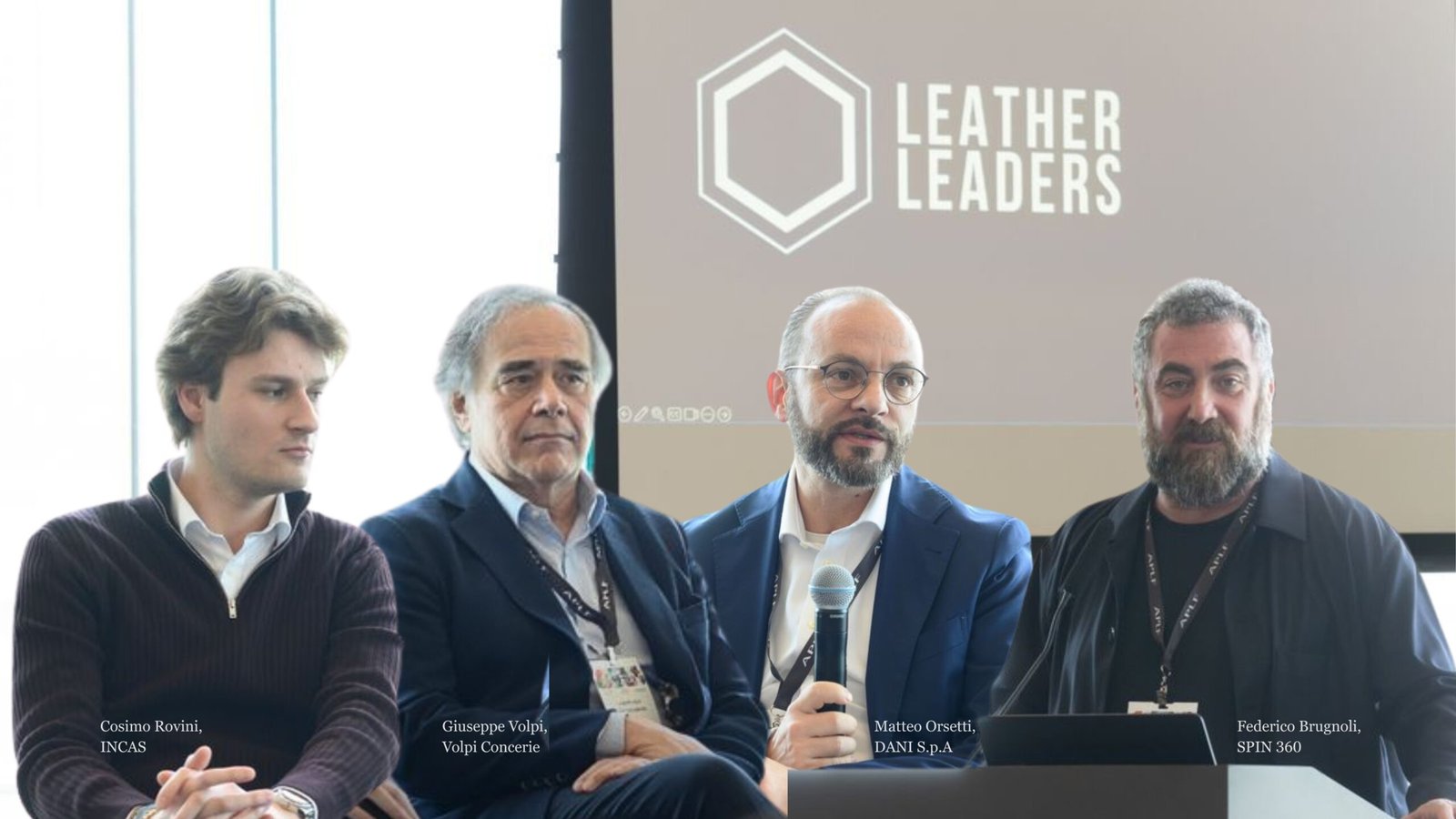
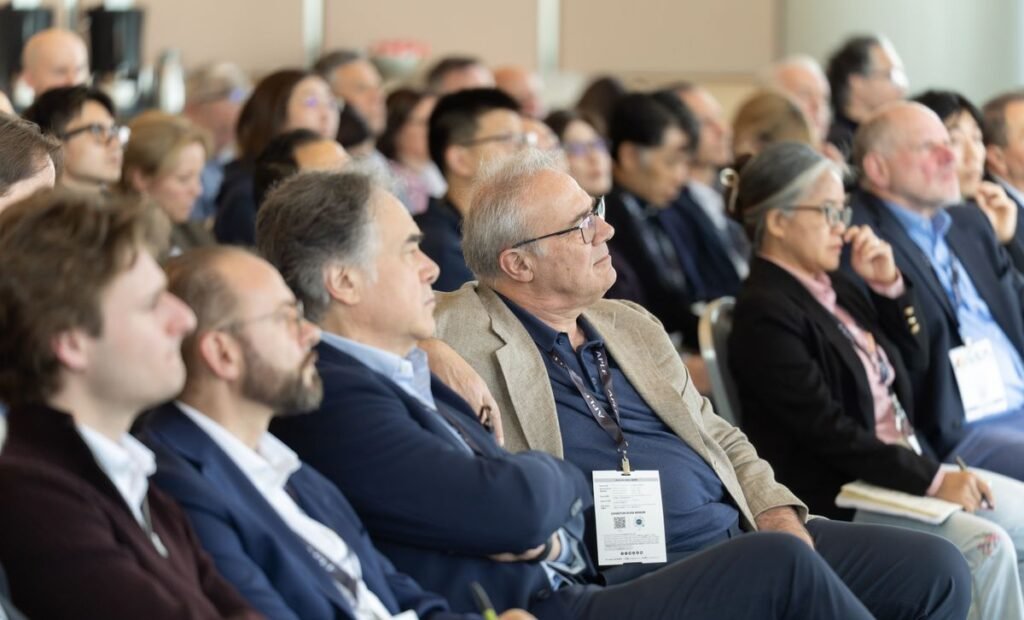
Thirteen Italian tanneries under the Leather Leaders project drew a full house at APLF 2026 in Hong Kong where they showcased a new science backed and collaborative approach to improve transparency and sustainability in the leather industry. The session also highlighted how structured innovation and better data can reshape supply chains.
The session opened with Fabrizio Nuti, President of UNIC Italian Tanneries supporting the initiative’s global push, followed by SPIN360 CEO Federico Brugnoli, who outlined how the project is built on scientific data and a structured innovation journey designed to be shared with brands and clients across the value chain.
Brugnoli explained that leather remains a by product and does not influence animal farming volumes. He stressed the need for updated environmental data and introduced clearer criteria to measure the impact of synthetic and petroleum based materials.
He also highlighted durability as leather’s key sustainability advantage along with concepts like biogenic carbon uptake and carbon neutral raw hides.
The session also featured a roundtable where Matteo Orsetti from DANI S.p.A., Cosimo Rovini from INCAS and Giuseppe Volpi from Volpi Concerie shared industry views on the need for a shared vision and stronger supply chain transparency across brands, suppliers and tanneries.
They noted that 85 – 90% of environmental impact comes from raw materials and upstream production, making accurate data critical.
The panel outlined three choices for brands buy less, substitute materials or buy better. They agreed the most practical path is to buy better by working with suppliers who offer measurable environmental programmes and transparent data.
The Leather Leaders project focuses on collaboration, science and alliances including partnerships with natural material sectors like wool, mohair, cashmere and silk to solve shared challenges.
The session reinforced that the future of leather will depend on credible data, deeper collaboration and a unified industry approach.