
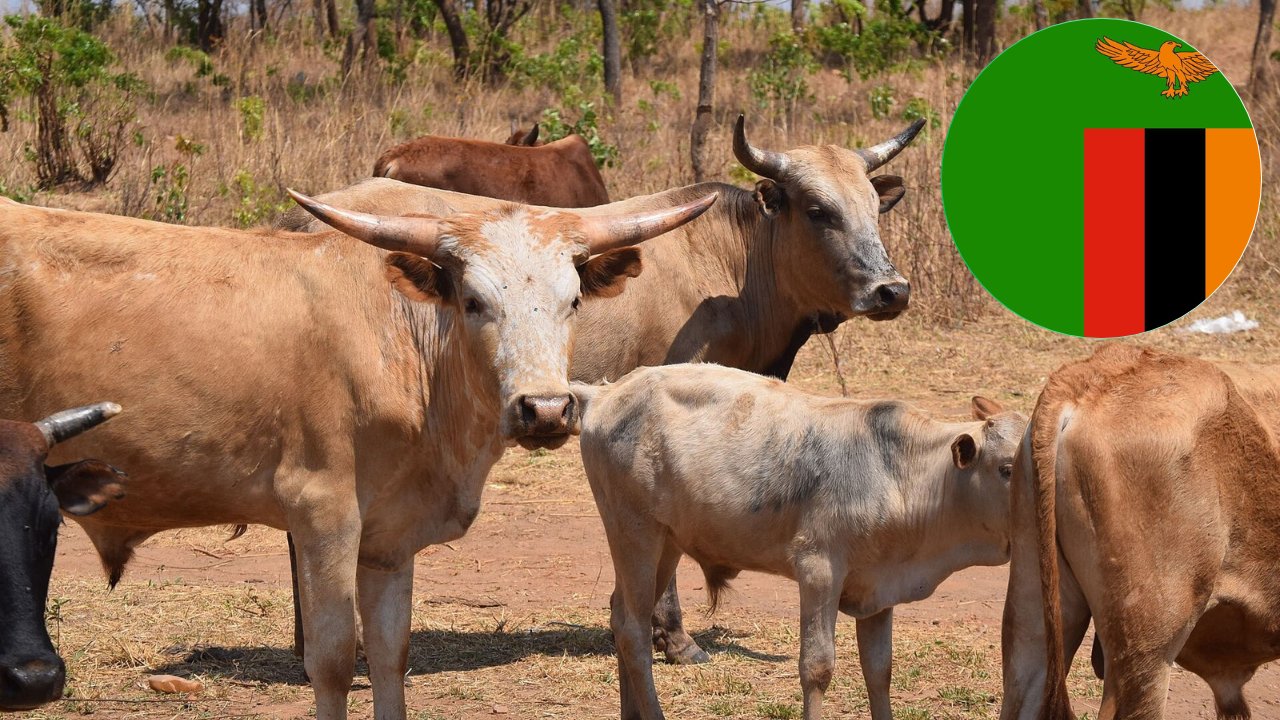
Zambia is seeking to strengthen its domestic leather industry through skills development, SME cluster development and improved access to finance as the country aims to shift from exporting raw hides and skins to manufacturing finished leather products.
The country’s leather industry development plans are outlined in the Zambia Leather Value Chain Strategy, which is aligned with the Government’s 8th National Development Plan (8NDP). The strategy aims to improve local processing, strengthen manufacturing capacity and reduce reliance on imported leather products.
Kasonde Mwamba, founder and managing director of Kasem Travise Enterprises Limited and a member of the Zambia Leather Industries Association (ZALIA) told the Times of Zambia that the industry had historically faced challenges including illegal exports of raw hides and skins, poor hide quality, limited tannery capacity and a shortage of trained professionals.
According to Mwamba, Zambia is now working to address these issues through policy initiatives and partnerships involving the Common Market for Eastern and Southern Africa (COMESA), the Africa Leather and Leather Products Institute (ALLPI) and the Ministry of Small and Medium Enterprise Development.
The Ministry of Commerce, Trade and Industry is targeting the establishment of 20 footwear and leather goods SME clusters to improve hide and skin quality and encourage local processing.
The cluster model is intended to allow small manufacturers to share facilities, equipment and market links, helping reduce production costs, improve product quality and strengthen their competitiveness.
Skills development is another priority, with ALLPI and the Ministry of Small and Medium Enterprise Development supporting training in footwear manufacturing, leather goods design and craftsmanship.
Access to finance remains a challenge for leather businesses in Zambia. He said access to affordable working capital would help tanneries and workshops upgrade their equipment and expand production.
The sector is also looking to expand its market through the African Continental Free Trade Area (AfCFTA), the COMESA regional market and the African Growth and Opportunity Act (AGOA).