
Eswatini is looking to increase the value retained from its hides and skins by strengthening local leather processing and manufacturing instead of exporting most of the material in raw salted form, according to multiple local media reports.
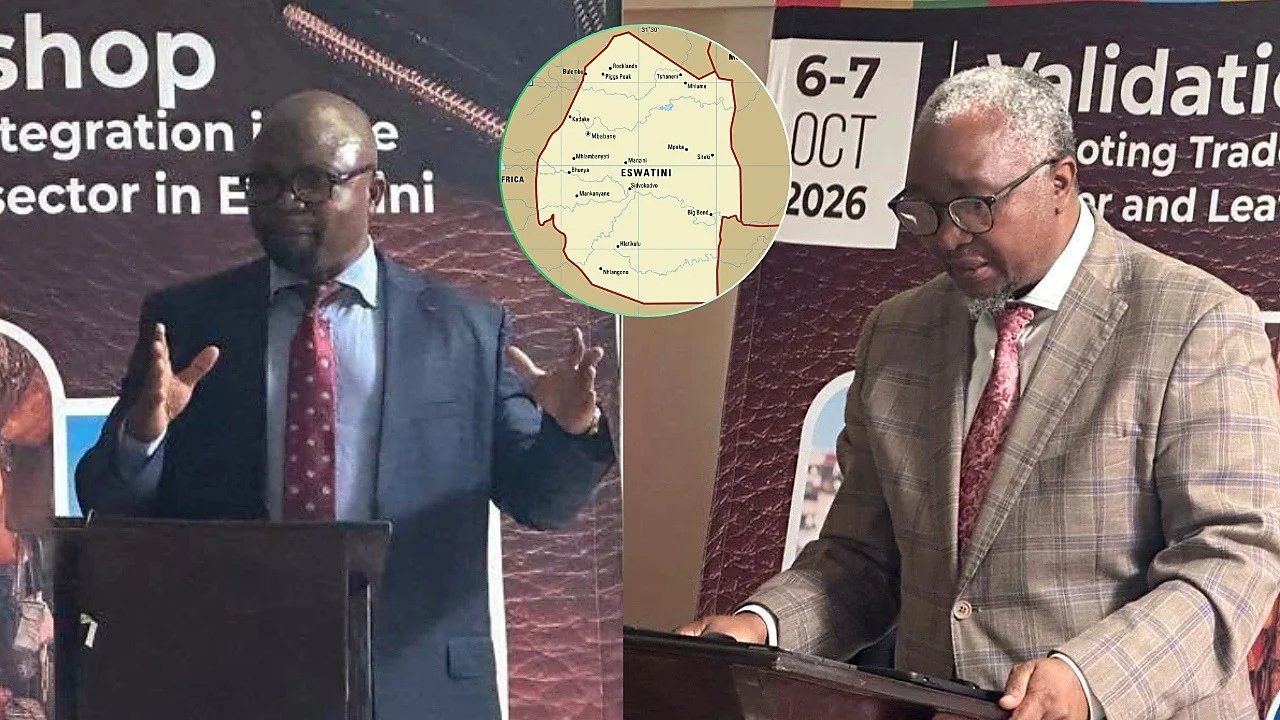
The opportunity was highlighted at a Leather Sector Joint Procurement Framework Validation Workshop hosted by the Ministry of Commerce, Industry and Trade with the United Nations Economic Commission for Africa (UNECA) and the African Leather and Leather Products Institute (ALLPI).
Eswatini has the capacity to produce around 220,000 to 250,000 hides and skins annually. However most are exported in raw or wet-salted form limiting the value retained within the country.
The Swaziland Leather Value Chain Strategy 2016-2025 estimated that the value of hides and skins could rise from approximately E78.7 million (~USD 4.7 million) at the raw stage to E943.8 million (~USD 56.5 million) at the finished products stage.
Acting Principal Secretary in the Ministry of Commerce, Industry and Trade Phesheya Dube said the objective is to progressively move from exporting raw hides and skins towards processing and manufacturing finished leather products in Eswatini.
The proposed Joint Leather Procurement Framework aims to help local leather artisans and Micro, Small and Medium Enterprises (MSMEs) access quality and affordable production inputs. Under the framework, businesses could pool their procurement needs and purchase materials collectively.
Eswatini’s leather sector currently faces challenges including the absence of a commercial tannery, dependence on imported leather and other inputs, high production costs and limited access to quality materials.
Dube said procurement alone would not be enough to transform the sector with further investment needed in tanning capacity, skills, machinery, product design, standards, finance and market access.
The broader aim is to build a more complete local leather value chain allowing hides and skins to move from raw materials to finished leather products within Eswatini.