
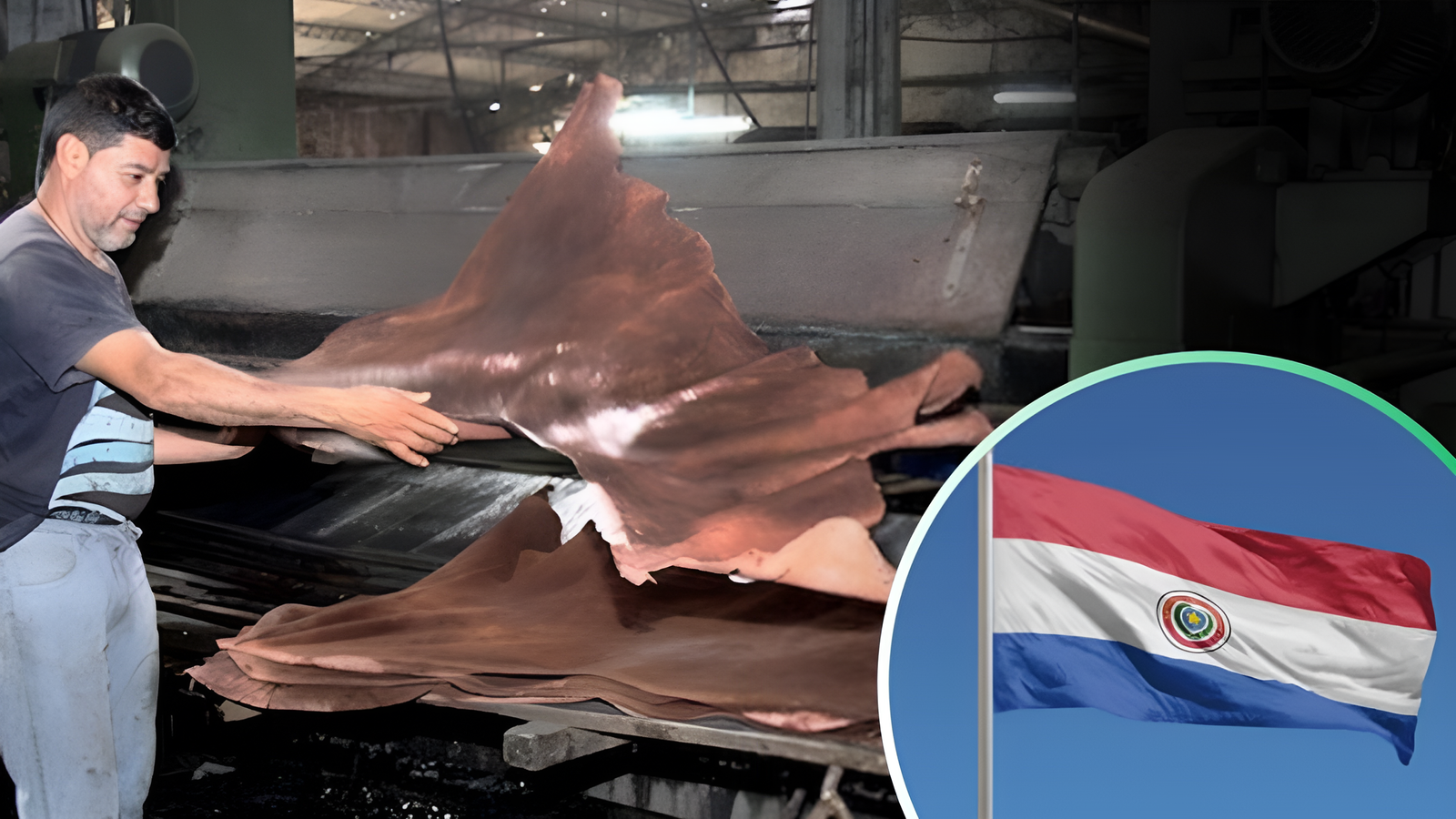
The Paraguayan leather industry experienced a remarkable growth in 2024, with exports rising to US$ 91.9 million, a 48% increase in revenue and a 51% rise in volume compared to the previous year. Despite these impressive gains, the industry faces persistent global challenges, including falling international prices and shifting market dynamics.
According to the National Service for Quality and Animal Health (Senacsa), Paraguay exported 79,906 tons of leather this year. However, this success comes despite a 66% drop in international prices, indicating strong demand for Paraguayan leather in key markets.
Industry leaders, including Emilio Bedoya, President of the Paraguayan Leather Chamber, attribute this growth to expanding trade partnerships and enhanced production capabilities.
However, the sector continues to battle economic uncertainty caused by global conflicts, including the Russia-Ukraine war, which has disrupted supply chains and dampened consumer confidence.
Environmental regulations have posed a major challenge for Paraguayan leather exporters. Italy, a historically significant market for automotive upholstery and premium leather goods, has imposed stricter environmental policies, leading to a decline in imports.
The Paraguayan industry has faced scrutiny since 2016, prompting the introduction of the Socio-Environmental Traceability System of Paraguay.
This initiative ensures sustainable and transparent production, aligning with international standards to maintain access to global markets.
The industry, which employs over 3,000 workers, has a daily processing capacity of 3,000 to 4,000 hides, making it a vital contributor to Paraguay’s economy.
Paraguayan leather exporters also face stiff competition from alternative materials like so-called “ecological leather”, which Bedoya argues is misleadingly marketed. According to him, many of these substitutes are plastic-based, with lower durability and greater environmental impact during disposal.
Additionally, Paraguayan companies struggle with limited access to long-term financing, restricting investments in advanced machinery and industrial innovation a crucial factor in maintaining global competitiveness.
Despite these hurdles, Paraguayan leather remains in demand, with exports reaching over 50 countries, particularly in Asia and Europe. The sector’s commitment to quality, sustainability, and innovation will be essential in navigating global market shifts and sustaining long-term growth.