
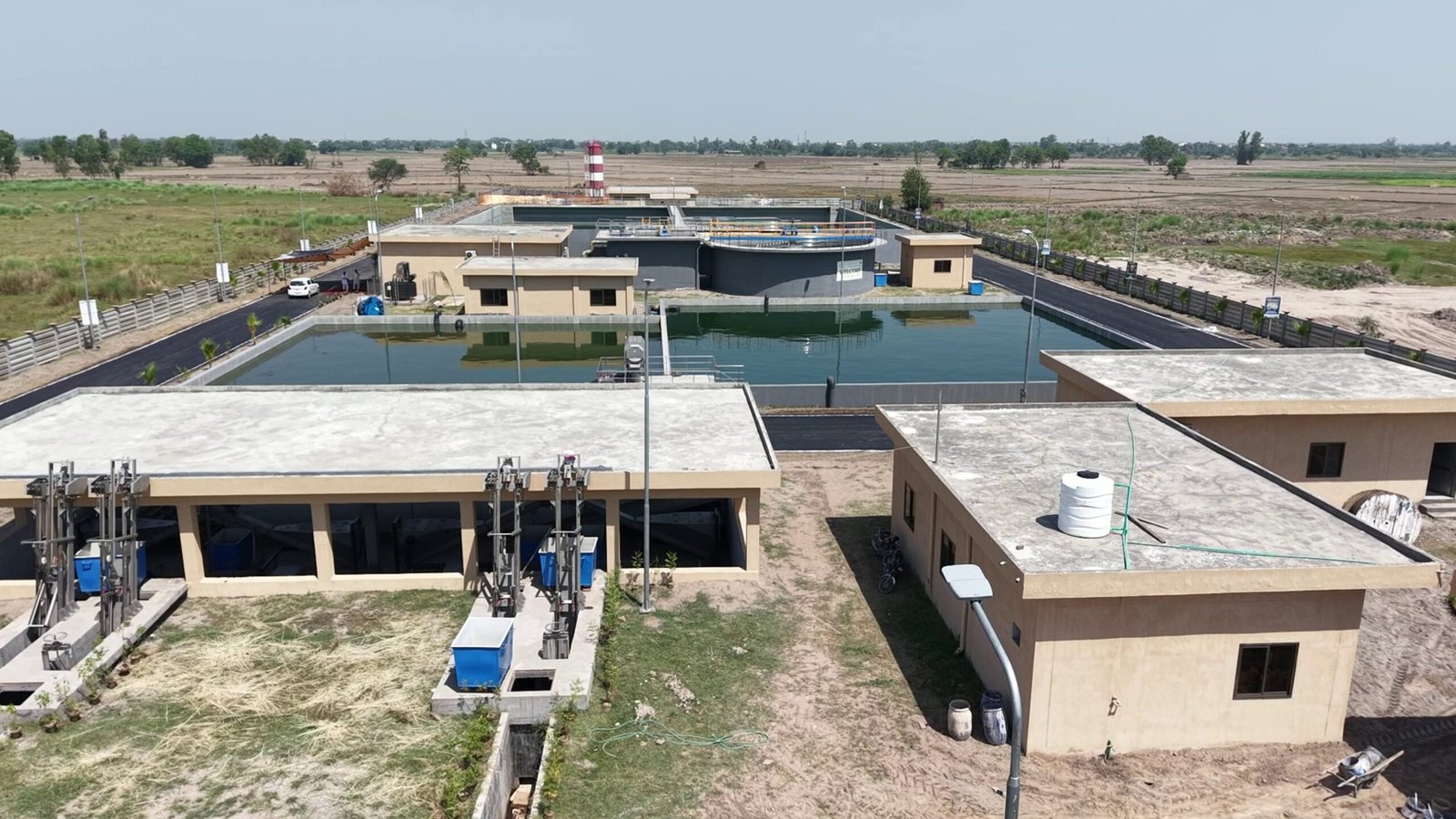
Pakistan has inaugurated its first fully integrated Common Effluent Treatment Plant (CETP) at the Sialkot Tannery Zone (STZ) in Sialkot. The project was jointly supported by the Global Environment Facility (GEF), the United Nations Industrial Development Organization (UNIDO), the Export Development Fund (EDF-GoP) and the Punjab Environment Protection Department (EPD).
Speaking at the inauguration ceremony on 6 June 2026, Khawaja Muhammad Asif, Defence Minister of Pakistan, said environmental compliance has become essential for global trade and added that the CETP will help Sialkot’s leather industry address environmental compliance issues, protect Pakistan’s GSP+ status and achieve Leather Working Group (LWG) certification.
According to the Sialkot Tannery Association, the facility includes pre-treatment along with primary, secondary and sludge treatment processes. It is designed to comply with both National Environment Quality Standards (NEQS) and international standards.
Ahmed Zulfiqar, CEO of the tannery association, said the Sialkot Tannery Zone aims to relocate 250 tanneries from the city centre to a dedicated industrial zone.
“Unlike conventional treatment facilities, this plant represents a complete technological solution that can increase leather exports by 18-23% in the short term, with the potential to double in the long run.”
– Ahmed Zulfiqar, CEO, Sialkot Tannery Association
The project also showcased a segregated drainage system for storm water, beam house and post-tanning effluents, along with a 21 MW Grid Station. Progress was also reported on a Chrome Recovery Plant and an Engineered Landfill Site for solid waste management.
“I am confident that the Sialkot Tannery Zone will serve the industry sustainably for many years to come.”
– Ivan Kral, Project Manager, UNIDO
He added that the project focuses on infrastructure development and policy strengthening. UNIDO also launched the “Guidelines for Assessment of Leather Environmental Footprint” to help harmonise standards, improve environmental transparency and align the leather industry with international best practices.
The project is expected to strengthen climate resilience in the local community, support the long-term sustainability of Pakistan’s leather industry and create 25-30% more jobs, including many positions reserved for women. The event was attended by provincial ministers, members of parliament and the Deputy Commissioner of Sialkot.
ALSO READ: UNIDO Releases New Guidelines for Assessing the Environmental Footprint of Leather